Muslim Wedding Rituals Explained - Complete Islamic Marriage Ceremony Guide

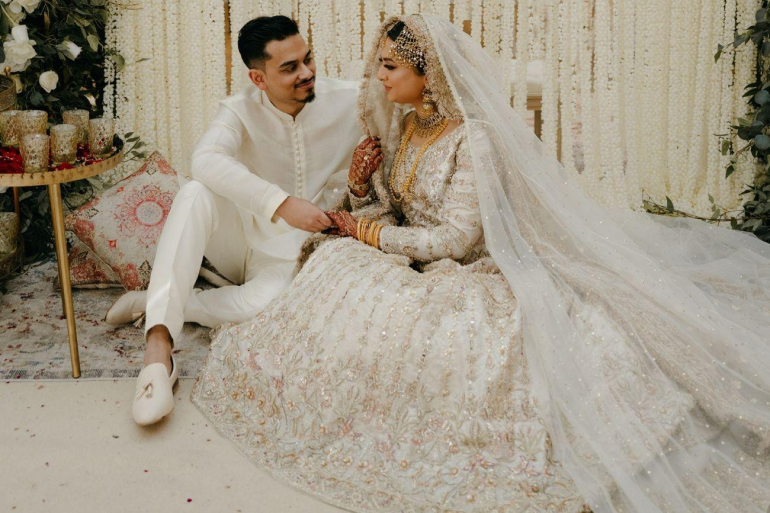
Image via Anika and Nishad
Weddings encompass more than just the union of couples; they also symbolize the merging of families and the celebration of cultural and religious Muslim traditions. In Islam, weddings are steeped in heritage, with rituals passed down through generations. Various Islamic wedding styles exist, varying by country. This guide focuses on the context of South Asian Islamic weddings, highlighting both shared customs with other South Asian ceremonies and those unique to the Muslim community.
Whether you are attending your first Muslim wedding or planning your own, understanding the customs is essential. This guide by Wedifys will detail the traditions and practices involved in Muslim weddings, covering both pre-wedding events and the Islamic marriage ceremony known as nikah.
Suggested Articles : Minimalist Jim Corbett Wedding - Prerna & Yash’s Ice Blue Lehenga Wedding
Pre-Wedding Events In An Islamic Marriage Ceremony

Image via Stories by Joseph Radhik
Zabaan - First Meeting
The initial event in an Islamic wedding is the first meeting, where the groom's family formally requests the bride's hand in marriage. They present gifts and sweets to the bride, symbolizing the sweetness of the occasion. The marriage is only formally established once the bride's family accepts this proposal, known as zabaan (a word of promise).
Suggested Articles : Deepika Padukone Indian Looks - Sabyasachi Sarees, Wedding Lehengas & Bridesmaid Outfit Inspiration
Engagement
Engagement parties are significant in Islamic weddings, celebrating the upcoming nikah. During this event, the groom proposes and presents a ring, followed by discussions about wedding details. This occasion blends joy with planning, marking the beginning of the wedding journey.
Suggested Articles : Best Engagement Ring Trends 2026 - Toi et Moi, Lab-Grown Diamonds, Oval Rings & Ring Stacks
Mayoon Ceremony-Haldi
In the Mayoon ceremony, the groom's mother applies turmeric to the bride's skin, believed to enhance her glow. This event is typically private, attended only by women from the family. Variations of this ceremony exist worldwide, but it generally serves as a pre-wedding haldi ritual.

Image via Nanaki and Azaan
Mehendi
The Mehendi ceremony is a vibrant pre-wedding event where henna is applied to the bride's hands and feet. Filled with music and dance, this celebration occurs a day or two before the wedding, bringing together family and friends. The henna symbolizes beauty, good fortune, and the couple's bond, and it is usually a ladies-only affair.
Wedding Events In An Islamic Marriage Ceremony
Mehr Ceremony-Bridal Gift
The Mehr, also known as Mahr or dower, is a mandatory payment from the groom to the bride, representing a financial commitment. This occurs before the nikah and emphasizes the bride's financial rights within the marriage. The groom presents the agreed-upon amount or gifts, symbolizing his responsibility and commitment.

Image via Muaz Got This
Islamic Marriage Ceremony Nikah – The Wedding Ceremony
The Nikah is the religious wedding ceremony, which can take place in various locations, such as a mosque or a home. Officiated by a religious figure, the ceremony requires two Muslim witnesses. The officiant recites a Quranic prayer and seeks the couple's consent. The bride expresses her acceptance three times, often saying 'Qubool Hai' (I accept). After the bride's agreement, the groom's consent is obtained, leading to the signing of the Nikahnama (marriage contract), officially marking their religious union.
What Are The Requirements Of An Islamic Marriage Ceremony Nikah?
Several essential practices must be followed during the Nikah, which may vary due to cultural differences:
- Mutual Consent Agreement: Both parties must agree to the marriage.
- Legal Guardian or Representative (Wali): Usually the bride's father acts as the guardian.
- Two Adult Muslim Witnesses: Required for the ceremony.
- Mahr: The groom presents a gift to the bride.
- Written Marriage Contract: A contract is signed by the couple and witnesses.
- Kazi: The Islamic officiant legalizes the union.
- Sermon and Du'aa: A sermon blesses the marriage, accompanied by prayers.
Arsi Mushaf – First Look
The Arsi ceremony involves the groom seeing his bride's reflection in a mirror held between them, symbolizing their first look.

Image via Huzaifa and Burhan
Dua-Prayer Ceremony
Led by the Imam, this prayer ceremony seeks blessings for the couple's happiness, fertility, and health as they start their new life together.
Walima-Reception
The Walima is the wedding reception held after the Nikah, where the couple hosts a meal to celebrate their union with family and friends. This event, often taking place a day or more after the Nikah, reflects the diverse culinary traditions of the region and fosters a warm, festive atmosphere.

Image via Zina and Zain
Rukhsati-Badaai/Bridal Farewell
Rukhsati is the emotional farewell of the bride from her parental home, marking her transition to her husband's family. This poignant ceremony often includes tearful goodbyes and heartfelt blessings, signifying the start of the bride's new life.
Suggested Articles : Bridal Post Holi Skincare Tips - How Brides Can Protect Skin After Holi Festival
Muslim Wedding Rituals Explained - Complete South Asian Islamic Wedding Guide
Searches for:
- Muslim wedding rituals
- Nikah ceremony
- Islamic marriage customs
- Muslim wedding traditions
continue to trend heavily across Google and Pinterest as couples increasingly look for meaningful, culture-rich wedding celebrations.
Islam weddings beautifully combine spirituality, family traditions, and emotional rituals that have been passed down through generations.
From the emotional Rukhsati to the sacred Nikah ceremony, every ritual carries deep significance.
Whether you are attending your first Muslim wedding or planning your own, here’s a complete guide to South Asian Islamic wedding traditions.
Pre-Wedding Events In A Muslim Wedding
Zabaan - The First Official Meeting
Trending Searches:
- Muslim wedding proposal traditions
- Islamic pre wedding rituals
- Muslim family customs
Zabaan marks the formal first meeting between the families where the groom’s family asks for the bride’s hand in marriage.
Gifts and sweets are exchanged to symbolize happiness and blessings for the upcoming union.
Engagement Ceremony - Beginning The Wedding Journey
The engagement celebration officially announces the couple’s upcoming Nikah.
Trending Keywords:
- Muslim engagement ideas
- nikah engagement setup
- engagement ring trends
Families discuss wedding preparations while celebrating the union with rings, sweets, and blessings.
Mayoon Ceremony - Muslim Haldi Tradition
Trending Searches:
- Mayoon ceremony
- Muslim haldi ideas
- yellow bridal outfits
The Mayoon ceremony involves applying turmeric to the bride to enhance her glow before the wedding day.
This intimate event is usually attended by close female family members.
Mehendi Ceremony - Music, Henna & Celebration
One of the most vibrant wedding events, the Mehendi ceremony celebrates beauty, joy, and togetherness.
Trending Searches:
- Muslim mehendi decor
- bridal henna designs
- mehendi night ideas
The bride’s hands and feet are decorated with henna while friends and family celebrate with music and dance.
Wedding Rituals In A Muslim Marriage Ceremony
Mehr Ceremony - The Sacred Bridal Gift
The Mehr (or Mahr) is a mandatory gift given by the groom to the bride before the Nikah ceremony.
This ritual symbolizes:
- financial responsibility
- commitment
- respect toward the bride
Nikah Ceremony - The Sacred Islamic Wedding Ritual
Trending Searches:
- Nikah ceremony explained
- Qubool Hai meaning
- Islamic wedding traditions
The Nikah is the official Islamic marriage ceremony conducted by a religious officiant.
During the ceremony:
- Quranic prayers are recited
- consent of both bride and groom is taken
- witnesses are present
- the Nikahnama is signed
The bride traditionally says “Qubool Hai” three times to confirm her acceptance of the marriage.
Requirements Of A Muslim Nikah Ceremony
Essential elements of a Nikah include:
- mutual consent
- Wali (guardian)
- two Muslim witnesses
- Mehr
- Nikahnama
- Kazi or Imam
- prayers and blessings
These rituals ensure the marriage is recognized religiously and culturally.
Arsi Mushaf - The Romantic First Look Ritual
Trending Searches:
- Arsi Mushaf meaning
- Muslim first look tradition
- nikah romantic rituals
In this beautiful ceremony, the groom sees the bride’s reflection through a mirror placed between them.
This symbolizes the couple seeing each other as partners for life.
Dua Ceremony - Blessings For The Newlyweds
An Imam leads prayers seeking blessings for:
- happiness
- prosperity
- health
- fertility
- harmony in marriage
Walima - The Grand Muslim Wedding Reception
Trending Searches:
- Walima decor ideas
- Muslim wedding reception
- elegant nikah reception
The Walima is the official reception hosted after the Nikah ceremony.
It celebrates the marriage with family, friends, food, and festivities.
Modern Walima trends include:
- minimal luxury decor
- white floral aesthetics
- elegant pastel styling
Rukhsati - The Emotional Bridal Farewell
One of the most emotional wedding rituals, Rukhsati marks the bride’s farewell from her parental home.
This heartfelt ceremony symbolizes the beginning of her new life with her husband and his family.
Why Muslim Wedding Aesthetics Are Trending In 2026
Modern Muslim weddings are trending globally because they beautifully blend:
- spirituality
- heritage
- minimal luxury aesthetics
- timeless elegance
Searches for:
- luxury nikah setup
- Muslim bridal fashion
- elegant Walima decor
- modern Islamic wedding
continue to rise across Google Trends and Pinterest.
FAQs
What is a Nikah ceremony?
The sacred Islamic marriage ceremony where the bride and groom officially consent to marriage.
What does Qubool Hai mean?
It means “I accept” and is said during the Nikah ceremony.
What is the difference between Nikah and Walima?
Nikah is the wedding ceremony, while Walima is the reception celebration afterward.
What is Mehr in a Muslim wedding?
A mandatory gift or payment from the groom to the bride.
What is the Mayoon ceremony?
A pre-wedding haldi-style ritual involving turmeric application.
What is Rukhsati?
The emotional farewell ceremony where the bride leaves her parental home.
What is Arsi Mushaf?
A ritual where the bride and groom see each other through a mirror.
Are Muslim weddings different in every country?
Yes, rituals and customs vary culturally across regions.
Final Thoughts
Muslim weddings are a beautiful blend of spirituality, culture, emotion, and celebration.
From the sacred Nikah to the joyful Walima and emotional Rukhsati, every ritual reflects the deep significance of family, love, and tradition in Islamic marriages.